
From 2025 to the present, the civil association Unidos por una Vida Digna (United for a Dignified Life) has documented and provided support to at least 12 students from the LGBTQ+ community, primarily transgender individuals, whose human rights have been violated in schools in the state.
However, the organization acknowledges that the number of cases could double or triple, as many students face barriers within institutions, society, and even their families, preventing them from reporting these incidents. This is particularly concerning, as the organization warned that these situations are occurring as early as the elementary school level.
On Pink Day, commemorated on April 9th, which aims to raise awareness about harassment, LGBTQ+phobia, and discrimination in schools, Rocío Hernández Pérez, representative of Unidos por una Vida Digna, warned that the problem persists in Campeche due to factors such as machismo and a lack of comprehensive sex education.
Acts of discrimination, restrictions, and exclusion from schools are being reported. This has led to numerous cases of discrimination in schools at all educational levels, from elementary to higher education. LGBTIphobia is the rejection, fear, prejudice, or discrimination against lesbian, gay, bisexual, transgender, and intersex people because of their sexual orientation, gender identity, or gender expression.

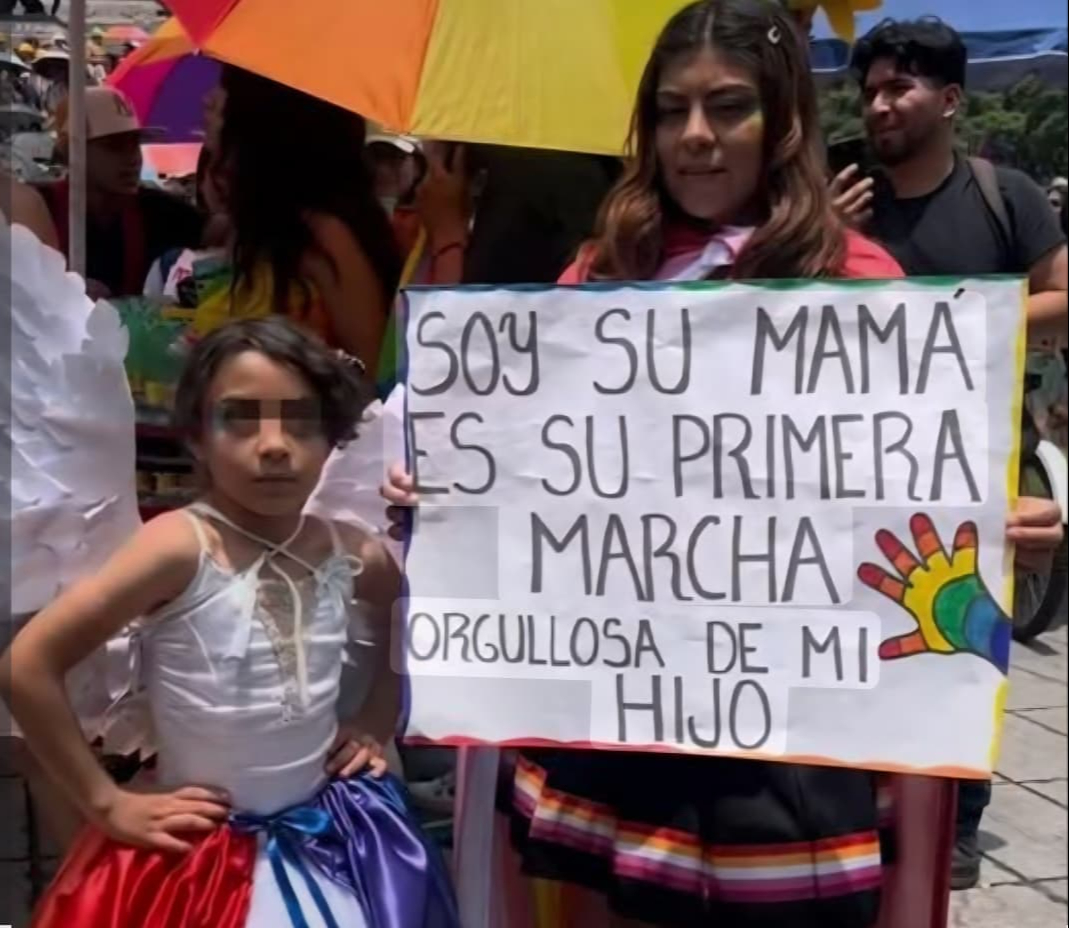
She clarified that this is not a problem exclusive to any one academic level, but rather originates from an early age, when children and adolescents face rejection because of their gender identity or expression.
She pointed out that transgender people, especially transgender women, are often the most affected, facing restrictions in schools that limit how they dress or express themselves.
Hernández Pérez emphasized the need for the Ministry of Education, the State Human Rights Commission, and the Ministry of Inclusion to strengthen actions to prevent these behaviors and guarantee safe spaces for the entire student community.
According to the association, approximately 10 cases of student rights violations were documented in 2025, while so far in 2026, at least two cases have been directly supported, in addition to other detected cases that do not always result in formal complaints.
The activist explained that one of the main obstacles to making LGBTIphobia visible is the family environment, where stigmas persist that inhibit young people from expressing their identity or reporting abuse. This is compounded by institutional and social barriers, creating a complex scenario that hinders access to justice.
There have even been cases where students have dropped out of their studies but are forced to return due to social and family pressure, as occurred in a case in the municipality of Calkiní.
Finally, he emphasized that eradicating LGBTIphobia in Campeche will be a gradual process that requires the joint participation of authorities, schools and society, with the goal of guaranteeing respect for human rights and the full inclusion of sexual diversity in all educational areas.
Source: poresto