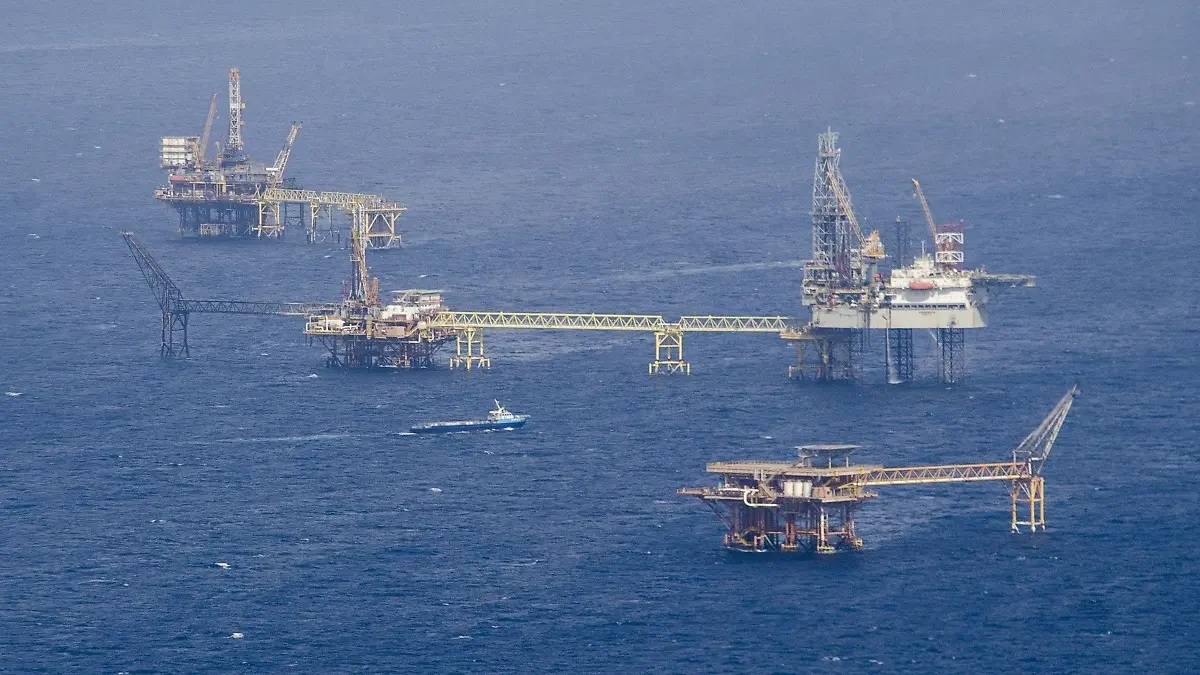

A recent leak on the Akal-C pipeline in Dos Bocas has spilled hydrocarbons into the Gulf of Mexico, with far-reaching consequences for the entire coastal area, according to Jacqueline May Díaz, a spokesperson for the Campeche-based organization Desarrollo y Medio Ambiente, A.C.
Although the spill’s immediate effects are being felt in Tabasco, where hydrocarbon clumps have washed up on the coast, Díaz emphasized that these impacts will not be limited to this region alone. The Gulf of Mexico is a vast and interconnected body of water, and currents and tides are carrying the pollutants far beyond the shores of Tabasco.
Pemex, the state-owned oil company, had acknowledged just days ago that a leak had occurred on the pipeline connecting the Akal-C platform to the Dos Bocas Maritime Terminal. Díaz expressed deep concern about the spill’s impact on local ecosystems and marine life. “This has a devastating effect on fisheries,” she said, explaining that marine species are being driven away from the coasts, while others perish as a result of the pollution.
Díaz was critical of Pemex for its handling of the situation. Instead of taking steps to mitigate the environmental damage caused by the spill, the company has remained largely silent, doing little to address the problem. “Pemex needs to take immediate action to find alternative solutions and minimize the harm being inflicted on our ecosystems,” she urged.

The spill’s broader implications for Campeche’s coastal communities are still unclear, but it is evident that this incident will have significant environmental consequences. As local residents, fishermen, and businesses grapple with the fallout from the spill, they are demanding greater transparency and accountability from Pemex regarding its handling of the crisis.
Source: La Jornada Maya