

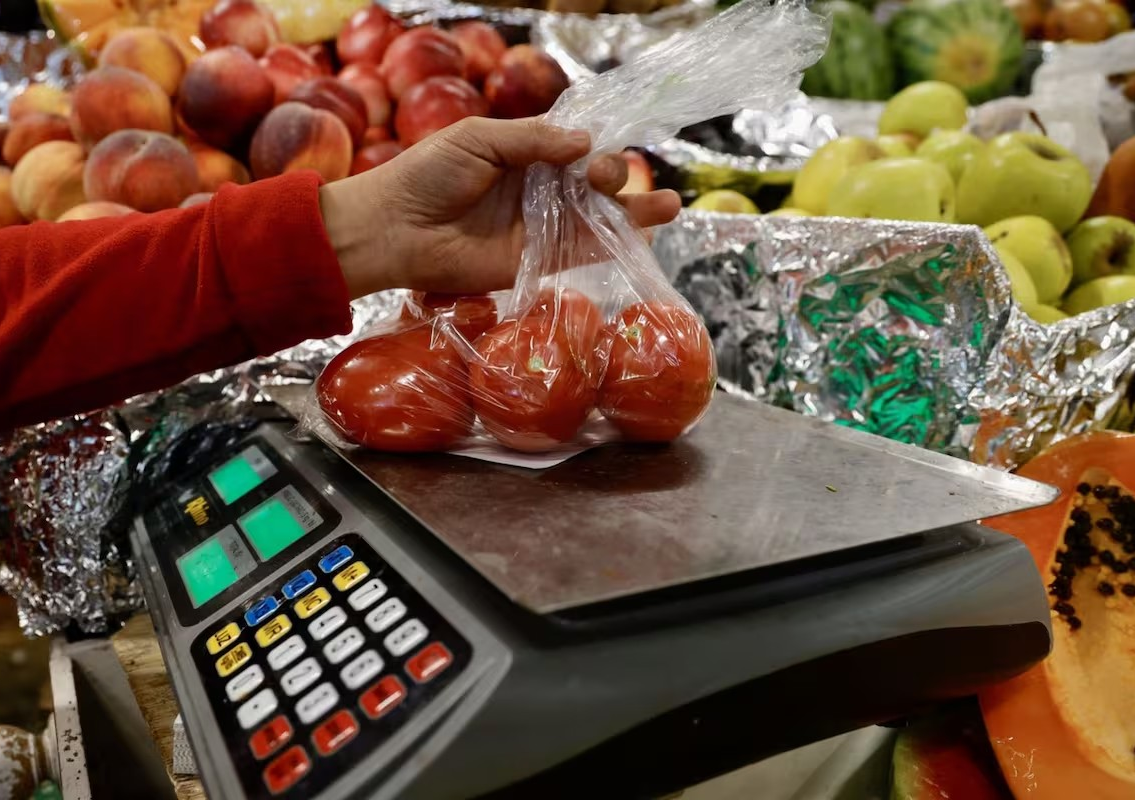

The cost of living in Mexico presents a new challenge for families’ budgets during this third month of the year. The basic food basket, composed of 44 essential products, reached an average price of 2,085.33 pesos in March 2026.
This 1.11% increase compared to February reflects a complex reality: money buys less when it comes to products that were previously affordable. According to national monitoring by the National Alliance of Small Businesses (ANPEC) and data from INEGI (the National Institute of Statistics and Geography), the rising cost of fresh foods such as tomatoes and lemons has driven this upward trend.
This situation puts many families in a vulnerable position. Currently, the monthly minimum wage is 9,582.47 pesos, while food expenses for a four-person household already exceed 10,000 pesos per month. This means that even when allocating the entire salary to food, there is a shortfall that leaves out basic needs such as health, transportation, and housing.
The States Where Groceries Are Most Expensive

The impact of inflation is not the same in all regions of the country. Some states have experienced drastic percentage changes, while others maintain higher prices in absolute terms. According to a report by El Economista, these are the areas most affected:
States with the highest percentage increases in March:
Campeche: 15.58% (the highest increase in the country).
Durango: 6.06%.
Tamaulipas: 5.92%.
States with the highest total prices:
If you live in one of these states, you have probably noticed that your budget stretches much less, since the basic food basket here exceeds 2,300 pesos:
State of Mexico: $2,353 pesos.
Nayarit: $2,319 pesos.
Tabasco: $2,307 pesos.
Colima: $2,301 pesos.
Which foods saw the biggest price increases?
This month’s price hikes are directly driven by the fruit and vegetable sector. The behavior of agricultural prices has been the main driver of inflation in the food basket. The products that increased the most in cost are:
Tomatoes: 60.33% increase.
Lemons: 20.14%.
Tamaulipas: 10.22%.
Whole chicken: 4.44%.
Potatoes: 4.07%.
These increases are forcing consumers to modify their purchasing habits, opting for smaller quantities or substituting protein with more economical options.
The most worrying figure revealed by the ANPEC analysis is the inadequacy of basic income. An average family requires more than 10,000 pesos per month just for food. When compared to the minimum wage of 9,582.47 pesos, it becomes clear that a single worker’s income does not cover their household’s basic needs.
This phenomenon creates a domino effect on family finances. By prioritizing food, other essential areas are sacrificed:
Health: Reduced budget for medications or doctor’s appointments.
Education: Limited access to school supplies or activities.
Housing: Difficulty paying for services such as electricity, water, and gas.
Monitoring this data is vital to understanding the importance of food security in Mexico. The increase of just 22.91 pesos in the national average may seem small, but in the accumulated total for the states with the highest food shortages, it represents an unsustainable financial burden for millions of Mexicans.
Source: elimparcial


